Introduction
As artificial intelligence (AI) continues to advance, the demand for energy to power data centers and computational processes is surging. Traditional energy sources face challenges in meeting this growing demand sustainably and efficiently. Nuclear energy, particularly with the advent of Small Modular Reactors (SMRs), is emerging as a viable solution. Recent investments by major technology companies underscore nuclear energy’s potential as the mainstream energy source of the future.
Tech Giants Investing in Nuclear Energy
Amazon’s Investment in X-energy
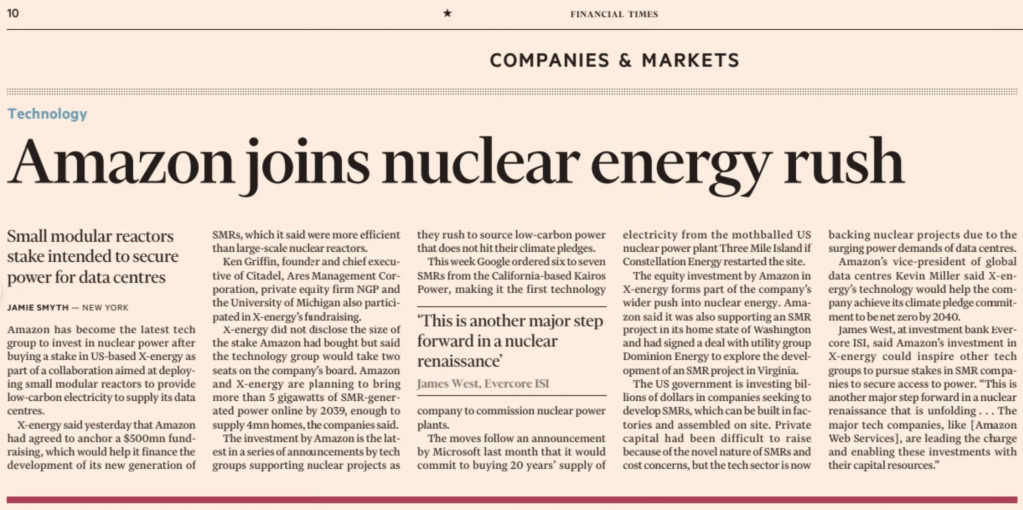
Amazon has taken a significant step by investing in X-energy, a U.S.-based nuclear developer specializing in SMRs. The investment is part of a $500 million fundraising effort to develop and license advanced SMR technology. Amazon plans to deploy these reactors to power its data centers, aiming to bring more than 5 gigawatts of SMR-generated power online by 2039—enough to supply energy to 4 million homes. This move not only secures a low-carbon energy source for Amazon but also positions the company on X-energy’s board of directors, influencing the future of nuclear technology.
Google’s Partnership with Kairos Power
Google has signed an agreement with Kairos Power to utilize small nuclear reactors for powering its AI data centers. The deal includes plans to start using the first reactor within this decade and expand by 2035. Kairos Power specializes in developing reactors that use molten fluoride salt as a coolant, a safer and more efficient alternative to traditional water-cooled reactors. Google’s investment reflects the urgent need for reliable, clean energy sources to support the exponential growth in AI technologies.

Microsoft’s Agreement with Constellation Energy
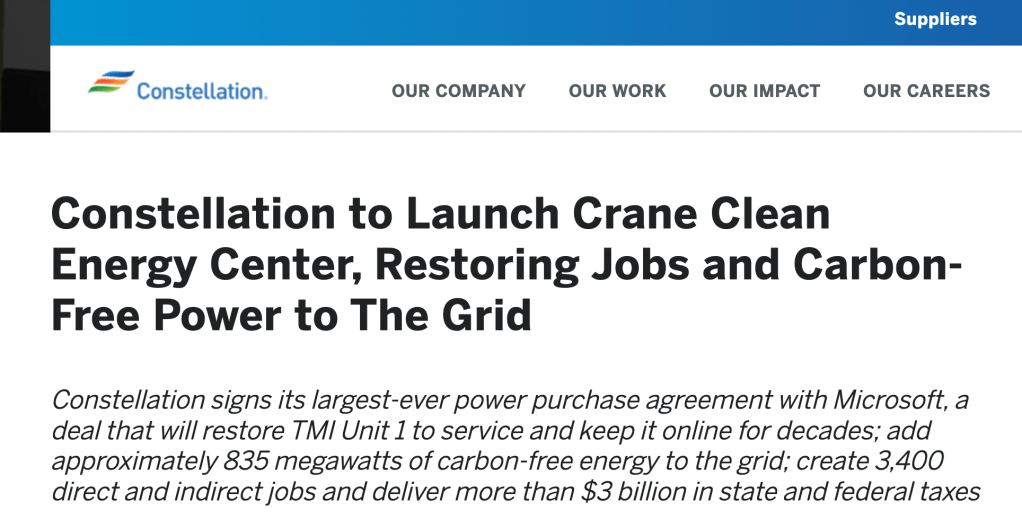
Microsoft has entered a 20-year power purchase agreement with Constellation Energy to restart operations at the Three Mile Island nuclear plant, specifically its undamaged reactor. Constellation will invest $1.6 billion to bring the plant back online by 2028. This initiative aims to power Microsoft’s AI data centers with carbon-free nuclear energy, highlighting the company’s commitment to sustainability and energy reliability.
Oklo’s Development Supported by Sam Altman
Oklo, a California-based nuclear developer, is making strides in building advanced nuclear reactors. Supported by Sam Altman, CEO of OpenAI, Oklo plans to construct its first reactor at the Idaho National Laboratory. The company focuses on creating sustainable, reliable, and affordable energy solutions. Oklo co-founder and CEO Jacob DeWitte stated that they have successfully built and operated two demonstration plants, paving the way for future developments. Altman’s involvement signifies a growing trend of AI industry leaders investing in nuclear energy to meet the sector’s energy demands.
Why Nuclear Energy Will Become Mainstream
To understand nuclear energy’s potential as the future’s mainstream energy source, we analyze it from several critical perspectives:
1. Cost
- Competitive Energy Production Costs: Nuclear energy has relatively low fuel costs compared to fossil fuels. Once a plant is operational, the cost of uranium fuel is low, and the energy produced per unit of fuel is significantly higher.
- Economies of Scale with SMRs: SMRs require less capital investment upfront due to their smaller size and modular construction. This reduces financial barriers and encourages adoption.
2. Service Life
- Longevity of Nuclear Plants: Traditional nuclear reactors have service lives of 40-60 years, which can be extended with proper maintenance. SMRs are designed for similar or even longer operational periods.
- Consistent Performance: Nuclear plants provide a stable output over their service life without the degradation issues common in renewable installations like solar panels or wind turbines.
3. Limiting Conditions
- Independence from Weather Conditions: Unlike solar or wind energy, nuclear power generation is not dependent on weather, time of day, or climatic conditions, ensuring uninterrupted energy supply.
- Geographic Flexibility: SMRs can be installed in a variety of locations, including remote areas, due to their smaller size and reduced infrastructure requirements.
4. Power Supply Capacity
- High Energy Density: Nuclear energy has a much higher energy density compared to fossil fuels and renewables, enabling substantial power generation from a small footprint.
- Scalability with SMRs: SMRs allow for incremental capacity additions, matching demand growth and reducing the risk of overcapacity.
5. Power Supply Advantages
- Base Load Energy Source: Nuclear energy provides a constant base load power supply, essential for meeting continuous energy demands of AI data centers.
- Grid Stability: The consistent output helps stabilize the electrical grid, complementing intermittent renewable sources.
6. Environmental Aspect of Carbon Emissions
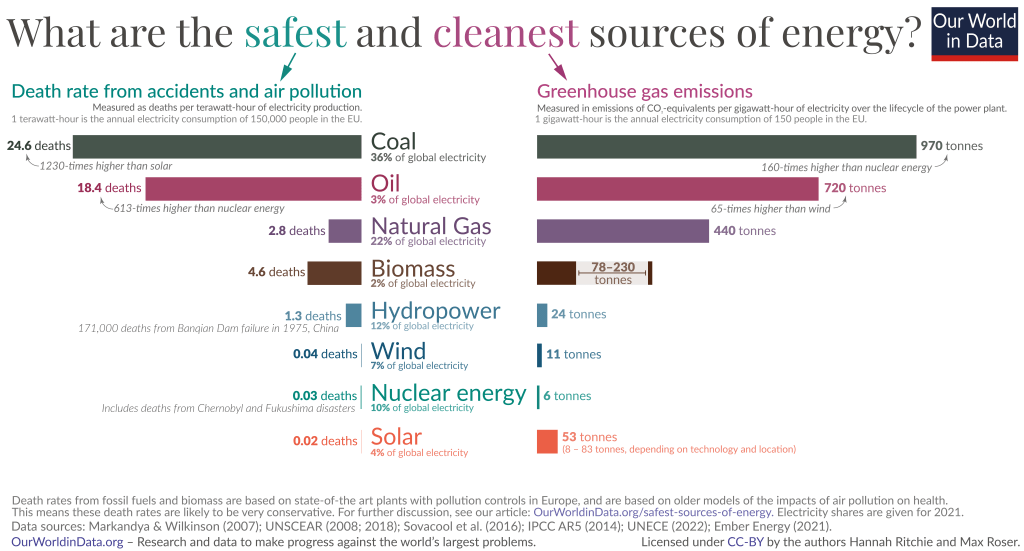
- Zero Carbon Emissions During Operation: Nuclear reactors do not emit carbon dioxide during operation, making them an attractive option for reducing greenhouse gas emissions.
- Support for Climate Goals: Transitioning to nuclear energy aligns with global efforts to combat climate change by reducing reliance on fossil fuels.
7. Safety Aspect
- Advanced Safety Features in SMRs: Modern SMR designs incorporate passive safety systems that reduce the risk of accidents. Features like molten salt coolants in Kairos Power’s reactors enhance operational safety.
- Reduced Waste Generation: SMRs produce less nuclear waste compared to traditional reactors. Additionally, some designs can utilize spent fuel, helping to close the fuel cycle and mitigate waste storage concerns.
The Role of SMRs in Nuclear Energy Development
SMRs represent a significant advancement in nuclear technology:
- Efficiency and Cost-Effectiveness: With about one-third the power generation capacity of traditional reactors, SMRs are cheaper and faster to build, lowering economic barriers.
- Enhanced Safety: Their design reduces risks associated with natural disasters or meltdowns. SMRs can safely shut down and restart, offering operational flexibility.
- Waste Reduction: The ability to use existing nuclear waste as fuel addresses long-standing waste management challenges and enhances sustainability.
Conclusion
The convergence of AI’s growing energy demands and the need for sustainable, low-carbon power sources positions nuclear energy as a mainstream solution for the future. Investments by tech giants like Amazon, Google, and Microsoft underscore the industry’s confidence in nuclear power’s potential. SMRs, with their improved safety, cost efficiency, and environmental benefits, are at the forefront of this energy transition. As governments and industries seek to balance economic growth with environmental stewardship, nuclear energy stands out as a reliable and scalable option to power the age of artificial intelligence.
 Shihao Insight